Building Ethical AI Businesses
A comprehensive guide to developing AI-powered businesses that prioritize human values, transparency, and responsible innovation.
Key Takeaways
- • Ethical AI businesses prioritize human values alongside technological innovation
- • Transparency and accountability are fundamental to building trust with stakeholders
- • Diverse teams and inclusive design processes lead to more ethical AI outcomes
- • Regular ethical audits and impact assessments are essential for responsible AI development
- • Long-term sustainability requires balancing profit with social responsibility
The Foundation of Ethical AI
Building an ethical AI business starts with establishing clear principles that guide every decision, from product development to customer interactions. These principles should be deeply embedded in your company culture and reflected in your business practices.
The most successful ethical AI companies understand that doing good and doing well are not mutually exclusive. By prioritizing human welfare, environmental sustainability, and social justice, these businesses create lasting value for all stakeholders.
Core Principles for Ethical AI Development
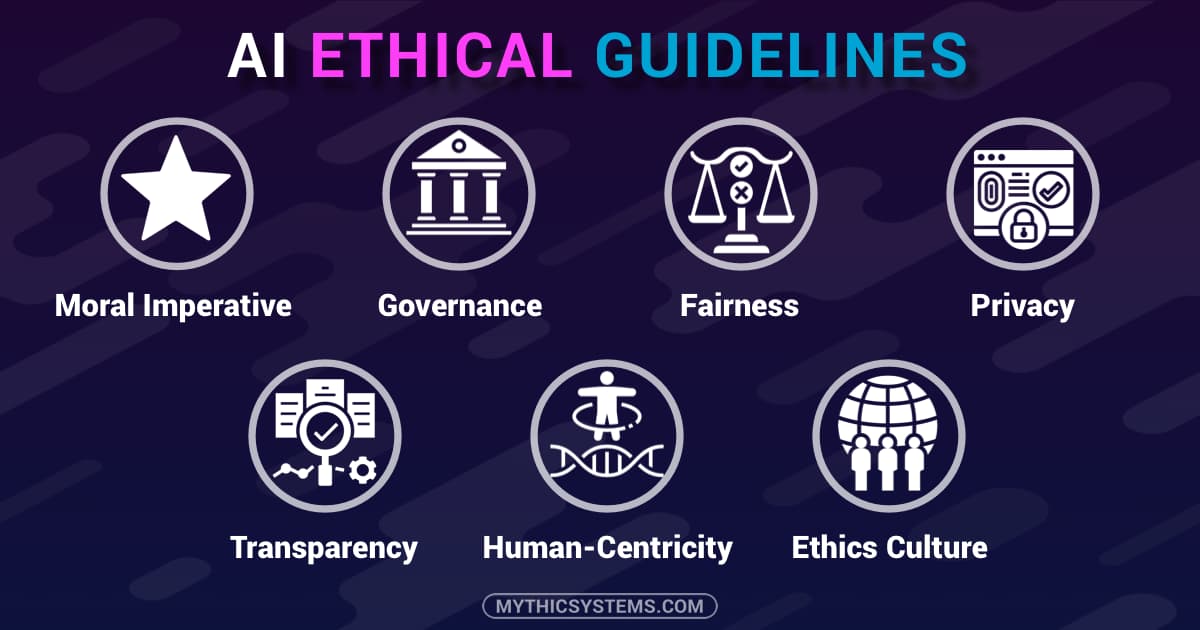
1. Transparency and Explainability
Users should understand how AI systems make decisions that affect them. This includes providing clear explanations of AI capabilities, limitations, and decision-making processes.
2. Fairness and Non-Discrimination
AI systems should treat all individuals and groups fairly, avoiding bias and discrimination based on protected characteristics or other unfair factors.
3. Privacy and Data Protection
Respect user privacy by implementing strong data protection measures, obtaining proper consent, and minimizing data collection to what's necessary.
4. Human Agency and Oversight
Maintain meaningful human control over AI systems, especially in high-stakes decisions. Humans should always have the ability to intervene and override AI decisions.
Building an Ethical AI Team
Creating ethical AI requires diverse perspectives and expertise. Your team should include not just technical experts, but also ethicists, social scientists, domain experts, and representatives from affected communities.
Regular training on AI ethics, bias detection, and responsible development practices ensures your team stays current with best practices and emerging challenges in the field.
Implementing Ethical Governance
Establish clear governance structures that include ethics review boards, regular impact assessments, and stakeholder feedback mechanisms. These systems should be integrated into your development lifecycle, not added as an afterthought.
Document your ethical decision-making processes and be prepared to explain and defend your choices to stakeholders, regulators, and the public.
External Resources

Related Guides
Continue your AI strategy journey with these related resources
AI Integration Strategies
Strategic approaches to integrating AI into your business operations
AI Survival Strategies
Essential strategies for thriving in the AI-driven business landscape
Relating with AI
Building meaningful relationships between humans and AI systems
Join 1000+ leaders transforming with AI
Get strategic insights, tools, and frameworks delivered to your inbox. Our AI Guide newsletter informs, involves, and inspires leaders navigating the AI era.
Ready to Build Ethical AI Solutions?
Let's discuss how to integrate ethical AI principles into your business strategy and development process.